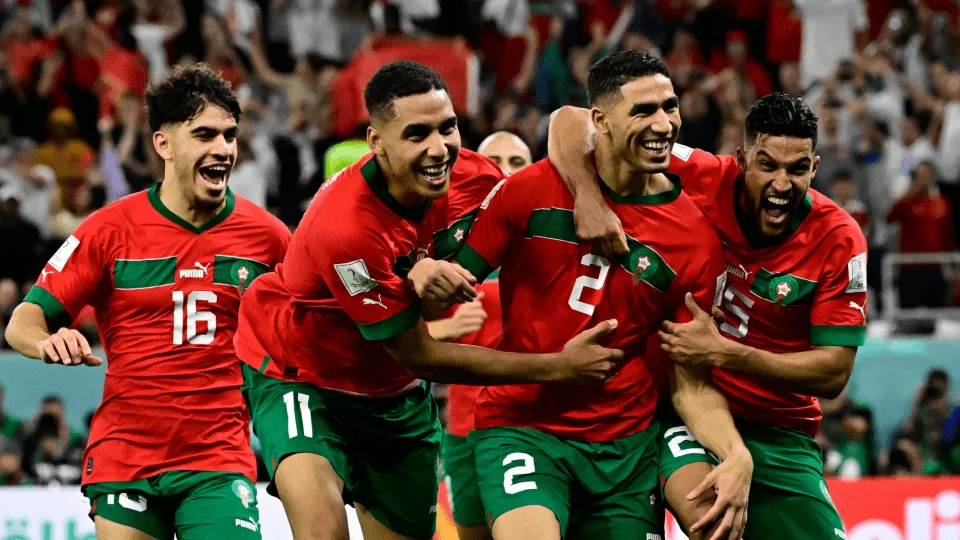
The Royal Moroccan Football Federation has acknowledged the decision issued by the Confederation of African Football Appeals Committee, reaffirming its respect for established football regulations and governance structures.
In a statement released this week, the federation clarified that its appeal was not intended to question the sporting merit or performance of teams involved in the competition.
Instead, the move was aimed at ensuring the proper enforcement and interpretation of competition rules, in line with regulatory standards guiding African football.
Commitment to regulatory clarity
The federation reiterated its commitment to respecting regulations, maintaining transparency and promoting fairness in all competitions organized under Confederation of African Football.
Officials said clarity in rules and their consistent application remain essential in safeguarding the integrity of the game and preventing disputes among participating nations.
Morocco emphasized that a stable and predictable regulatory framework is critical for the continued growth and credibility of football across the continent.
AFCON hailed as success
The federation also commended countries that took part in the latest Africa Cup of Nations, describing the tournament as a significant milestone for African football.
It noted that the competition provided a platform to showcase talent, strengthen unity and elevate the global profile of the sport in Africa.
The Royal Moroccan Football Federation said a more detailed statement will be issued following a scheduled meeting of its governing bodies.
The upcoming communication is expected to provide further clarity on the federation’s position and outline any additional steps moving forward.
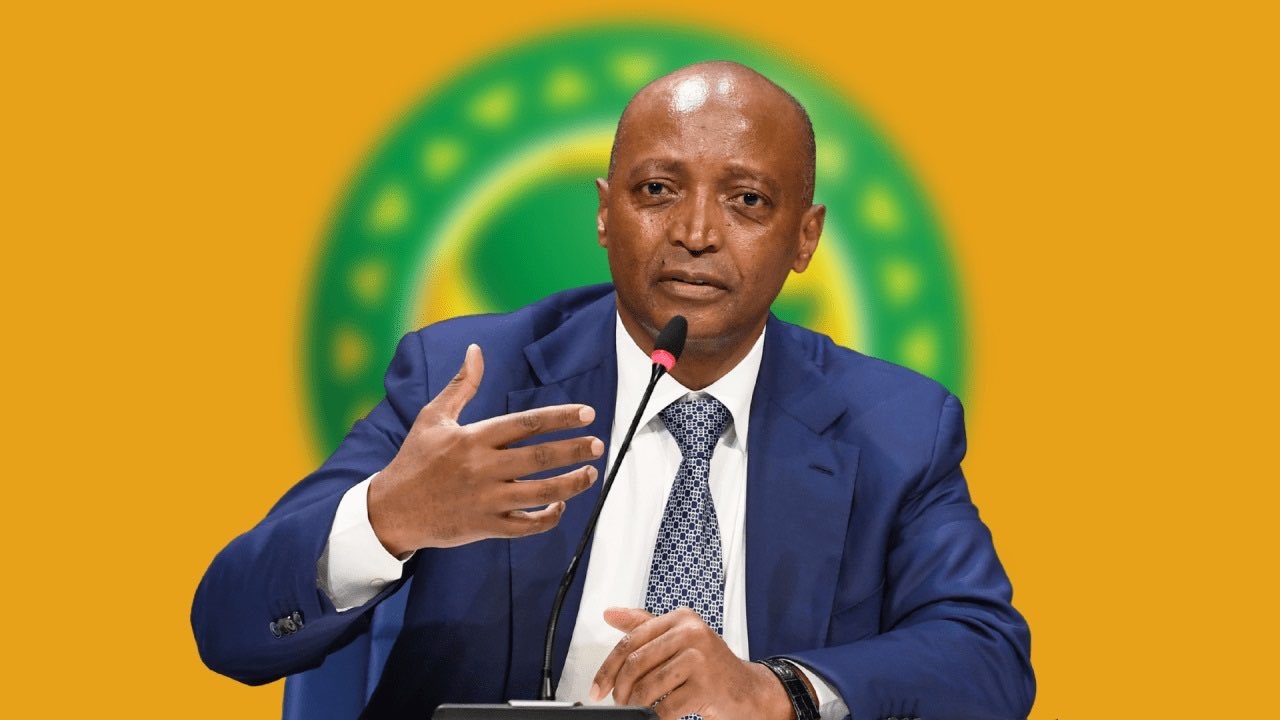
CAF President Patrice Motsepe has defended the independence of the organization judicial bodies following a controversial decision to overturn the result of the 2025 Africa Cup of Nations final between Senegal and Morocco.
The Confederation of African Football decision came after Senegal initially secured a 1-0 victory over Morocco on 18 January in a final overshadowed by a dramatic interruption.
The match descended into controversy when Senegal players briefly walked off the pitch after Morocco were awarded a stoppage-time penalty while the score was goalless. Following a delay of about 17 minutes, play resumed and Morocco forward Brahim Diaz saw his penalty saved.
Senegal midfielder Pape Gueye later scored the winning goal in extra time, appearing to seal the title. However, the result was subsequently overturned by CAF Appeals Board, which ruled that Senegal had forfeited the match due to the earlier walk-off.
CAF declared the result as a 3-0 win in favour of Morocco, a decision that has sparked debate across African football.
Motsepe cites legacy distrust
Motsepe acknowledged that despite reforms within CAF, suspicion continues to affect how decisions are perceived across the continent.
“When I became president, one of the major concerns was the impartiality, the independence and the respect of referees and match commissioners,” he said. “A lot of good work has been done, but there continues to be suspicion because it is a legacy issue.”
He expressed disappointment over the events surrounding the final, noting that they undermined progress made in strengthening integrity and professionalism in African football.
“I was extremely disappointed with what happened,” he said, adding that the incident revived long-standing concerns about fairness and credibility.
Motsepe said distrust in football governance predates his leadership and cannot be resolved immediately, describing it as a deep-rooted challenge.
Judicial independence defended
The CAF president emphasized that the organization judicial bodies operate independently and are composed of respected legal experts from across Africa.
He pointed to the differing outcomes reached by the Disciplinary Board and the Appeals Board as evidence that the system is functioning without interference.
“If you look at the composition of those bodies, they reflect some of the most respected lawyers and judges on the continent,” he said.
According to Motsepe, the variation in decisions demonstrates that rulings are based on legal reasoning rather than predetermined outcomes.
CAF has also restructured how members of its judicial bodies are selected, allowing nominations from member associations and regional zones to improve credibility and representation.
Senegal to challenge decision
Senegal has indicated it will challenge the ruling at the Court of Arbitration for Sport, the highest authority for global sports disputes.
Motsepe affirmed that CAF respects the right of any member association to seek further legal action and said the organization will abide by the final outcome.
“Every member association has the right to go to CAS, and we will respect whatever decision is made,” he said.
Motsepe reiterated that fairness remains central to CAF operations, insisting that no country would receive preferential treatment.
“A critical factor is that not a single country in Africa will be treated in a manner that is more favourable than any other,” he said.
He acknowledged that the controversy has highlighted areas requiring improvement and confirmed that CAF is reviewing its processes to prevent similar incidents.
Motsepe stressed that restoring trust among fans remains a priority, noting that the success of reforms will depend on public confidence in the integrity of the game.
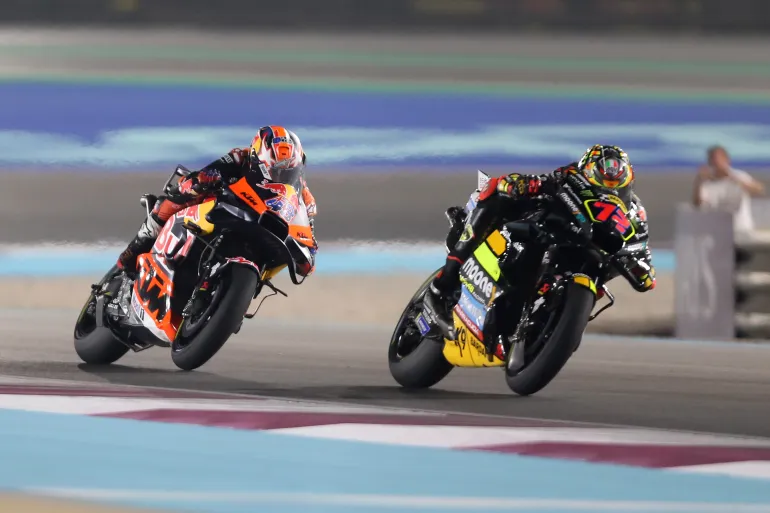
MotoGP has announced the postponement of the Qatar Grand Prix originally scheduled for next month, citing safety concerns amid the ongoing conflict in the Middle East.
The Lusail International Circuit, which was set to host the fourth round of the 2026 championship from April 10-12, will now hold the race on November 8, organizers confirmed Sunday. “Following extensive scenario planning and calendar analysis, the revised date has been chosen to ensure minimal disruption to the wider MotoGP schedule,” the statement said.
The Portuguese Grand Prix will now take place on November 22, with the season finale in Valencia moved to November 29. Aprilia’s Marco Bezzecchi currently leads the championship after the opening round in Thailand, with upcoming races in Brazil (March 20-22) and the United States (March 27-29) remaining on schedule.
Impact on Global Racing
The announcement follows similar decisions by Formula One and the FIA, which stated that the Bahrain and Saudi Arabian Grands Prix would not proceed in April due to regional safety concerns. These areas have been affected by Iran’s retaliatory attacks after recent strikes by the United States and Israel.
“While this was a difficult decision to take, it is unfortunately the right one at this stage considering the current situation in the Middle East,” said Stefano Domenicali, F1 president and CEO. FIA president Mohammed Ben Sulayem added, “The FIA will always place the safety and well being of our community and colleagues first. After careful consideration, we have taken this decision with that responsibility firmly in mind.”
While F1 did not explicitly label the Bahrain and Saudi Arabian races as canceled, the changes indicate the increasing impact of geopolitical tensions on global motorsport schedules. MotoGP and F1 organizers continue to monitor the situation closely as the 2026 season unfolds.
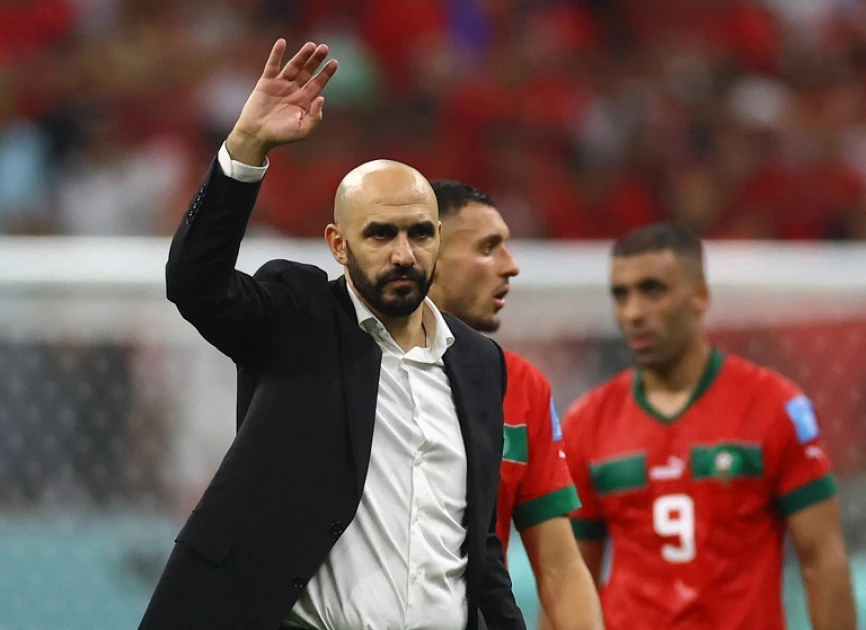
Morocco coach Walid Regragui stepped down Thursday, just three months before the upcoming World Cup finals, ending weeks of speculation about his future and saying the national team needed a fresh approach.
The Moroccan Football Federation confirmed the decision during a late-night press conference, where Regragui said the team required “a new vision and different energy” to continue progressing.
“I sincerely believe the team needs a new vision to be able to progress,” Regragui said. “My decision to leave is for the better of the team.”
The 50-year-old coach guided Morocco to one of the most remarkable achievements in international football when the team reached the World Cup semifinals in Qatar in 2022, becoming the first African nation to reach that stage.
Despite his success, Regragui said the demands of the job had taken a toll.
He had considered resigning earlier this year after Morocco lost the Africa Cup of Nations final to Senegal in January in a tournament the country hosted. Morocco had hoped to end a 50-year wait for a continental title.
Mohamed Ouahbi appointed as new national team coach
Moroccan Football Federation president Fouzi Lekjaa announced that Mohamed Ouahbi will take over as head coach.
Ouahbi, who was born in Belgium, gained recognition for his work with Morocco’s youth teams. He led the country’s under-20 side to victory at the Under-20 World Cup in Chile last year.
The federation believes his familiarity with Morocco’s emerging talent and modern tactical approach will help maintain stability ahead of the global tournament.
Morocco’s senior squad faces two friendly matches later this month as part of its final preparations for the World Cup. The Atlas Lions will play Ecuador in Madrid on March 27 before facing Paraguay in Lens, France, four days later.
At the World Cup, Morocco will compete in Group C alongside Brazil, Scotland and Haiti.
Regragui leaves behind historic record with Atlas Lions
Regragui departs with one of the most successful coaching records in Moroccan football history.
Since taking charge in September 2022, he oversaw 49 matches, winning 36, drawing eight and losing just five.
During his tenure, Morocco also recorded the best World Cup performance by an African nation and set a national team record for consecutive victories. The side won 19 straight matches between June 2024 and December 2024.
Still, the coach had faced increasing criticism from some supporters despite the impressive statistics.
Following the announcement, Morocco captain Achraf Hakimi praised Regragui in a message shared on social media.
“Thank you for the incredible work you did leading the Moroccan national team,” Hakimi wrote. “Your leadership, passion and vision inspired not only the players, but also an entire country and millions of fans around the world.”
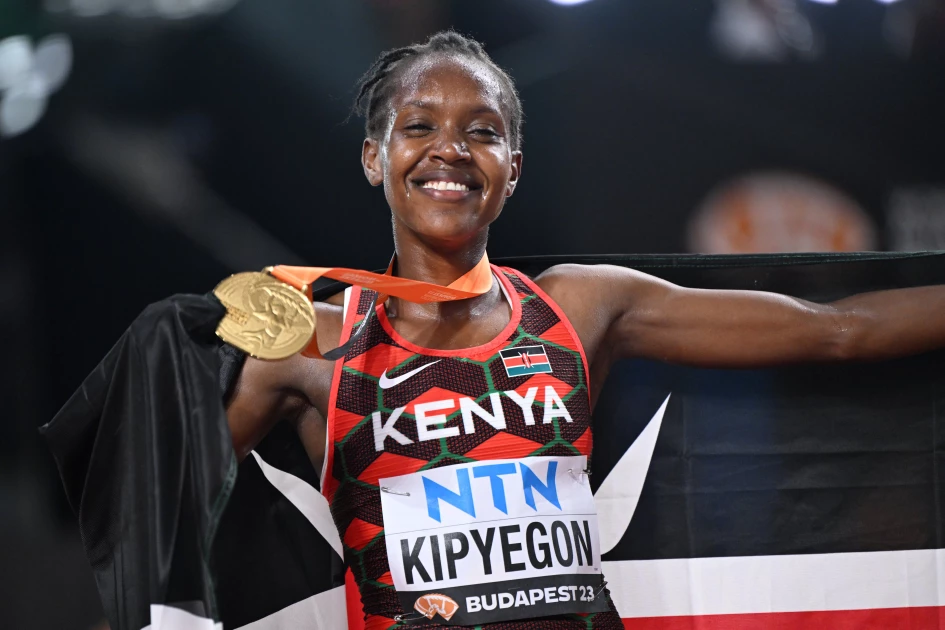
Kenya middle-distance star Faith Kipyegon has secured a third consecutive nomination for Sportswoman of the Year at the prestigious Laureus World Sports Awards, underlining her dominance on the global stage.
Often described as the “Oscars of sport”, the Laureus World Sports Awards honour the finest athletic achievements across disciplines. Presented by the Laureus Sport for Good Foundation, the awards celebrate excellence, resilience and the wider social impact of sport.
Kipyegon’s latest recognition reflects a period of sustained brilliance that has redefined women middle-distance running.
Her first nomination came in 2024 after a historic 2023 season in which she broke three world records — 1,500m, mile and 5,000m — and won double gold at the World Championships. The performances elevated her status from Olympic champion to global trailblazer.
In 2025, she returned to the shortlist following a landmark outing at the Paris 2024 Olympic Games, where she became the first woman to win three consecutive Olympic gold medals in the 1,500m.
The achievement placed her among the most decorated middle-distance runners in history and strengthened her growing legacy.
Her 2026 nomination follows another commanding campaign in 2025. Kipyegon broke her own 1,500m world record and clinched a fourth world title in the event, extending her reign at the top of the sport.
She faces stiff competition for this year’s honour, including American hurdler Sydney McLaughlin-Levrone, Spanish footballer Aitana Bonmatí, Belarusian tennis star Aryna Sabalenka and American swimmer Katie Ledecky.
Bonmatí won the 2024 Sportswoman of the Year award, while American gymnast Simone Biles claimed the 2025 title.
Three consecutive nominations place Kipyegon in rare company and reinforce her standing as one of the defining athletes of her generation. With records falling and titles accumulating, her story is no longer just about winning races — it is about shaping an era.
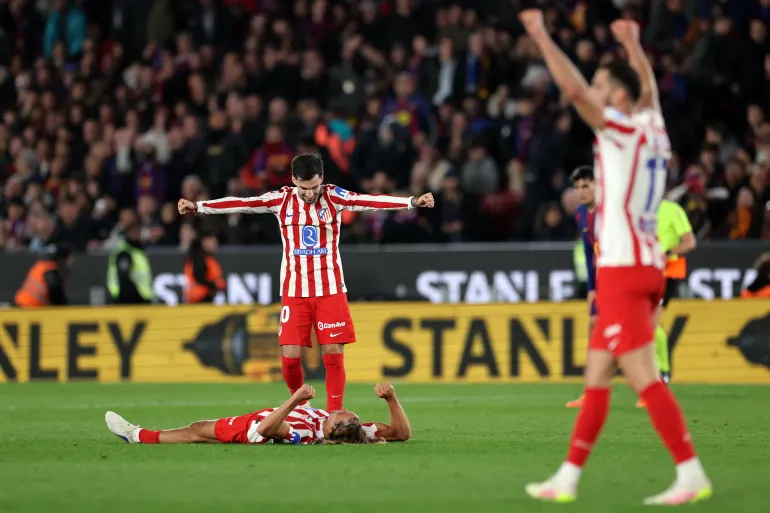
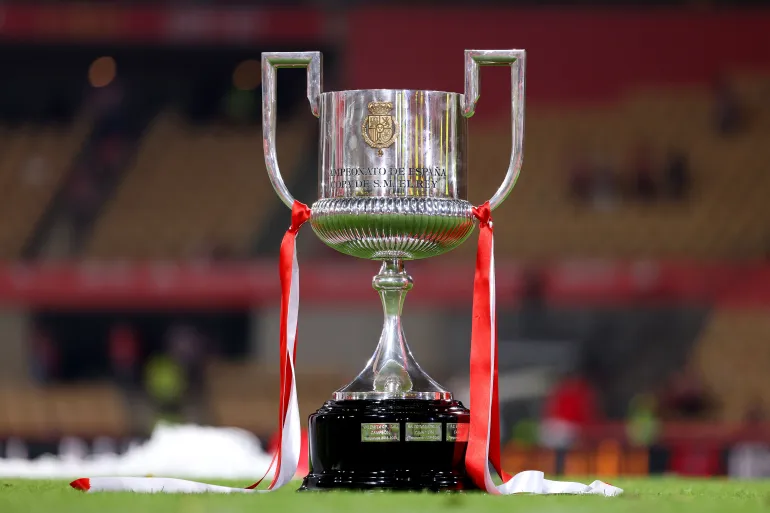
Atletico Madrid have reached the Copa del Rey final for the first time since 2013 despite suffering a 3-0 defeat to Barcelona in the second leg of their semifinal.
Barcelona launched a fierce comeback attempt at Camp Nou but fell just short as Atletico clung on for a 4-3 aggregate victory.
The record 32-time Copa del Rey winners almost produced one of the great comebacks after trailing 4-0 from the first leg in February. Hansi Flick’s side came out flying, with Fermin Lopez going close early. They suffered a setback when Jules Kounde went off injured in the opening stages.
Atletico threatened on the counter through Antoine Griezmann. However, two teenagers combined for the opener as Lamine Yamal set up Marc Bernal to finish from close range.
Before the interval, Raphinha converted a penalty after Pedri was fouled in the box. After halftime, Bernal scored his second goal with a volley from Joao Cancelo’s cross, sending the Camp Nou crowd into frenzy and bringing Barcelona within one goal of extra time.
Flick threw caution to the wind by pushing centre-back Ronald Araujo forward in the closing stages.
Despite six minutes of stoppage time and relentless pressure, Diego Simeone’s disciplined side held firm to book their spot in the final. They will now face the winner of Real Sociedad versus Athletic Bilbao on 18 April in Seville.
Juan Musso, the Atletico goalkeeper, said getting to the final was what mattered most.
“Barcelona are one of the best teams in the world, but we got through. We are going to the final; we will give our everything and get the Copa del Rey,” he said.
Raphinha admitted his team gave everything but just fell short.
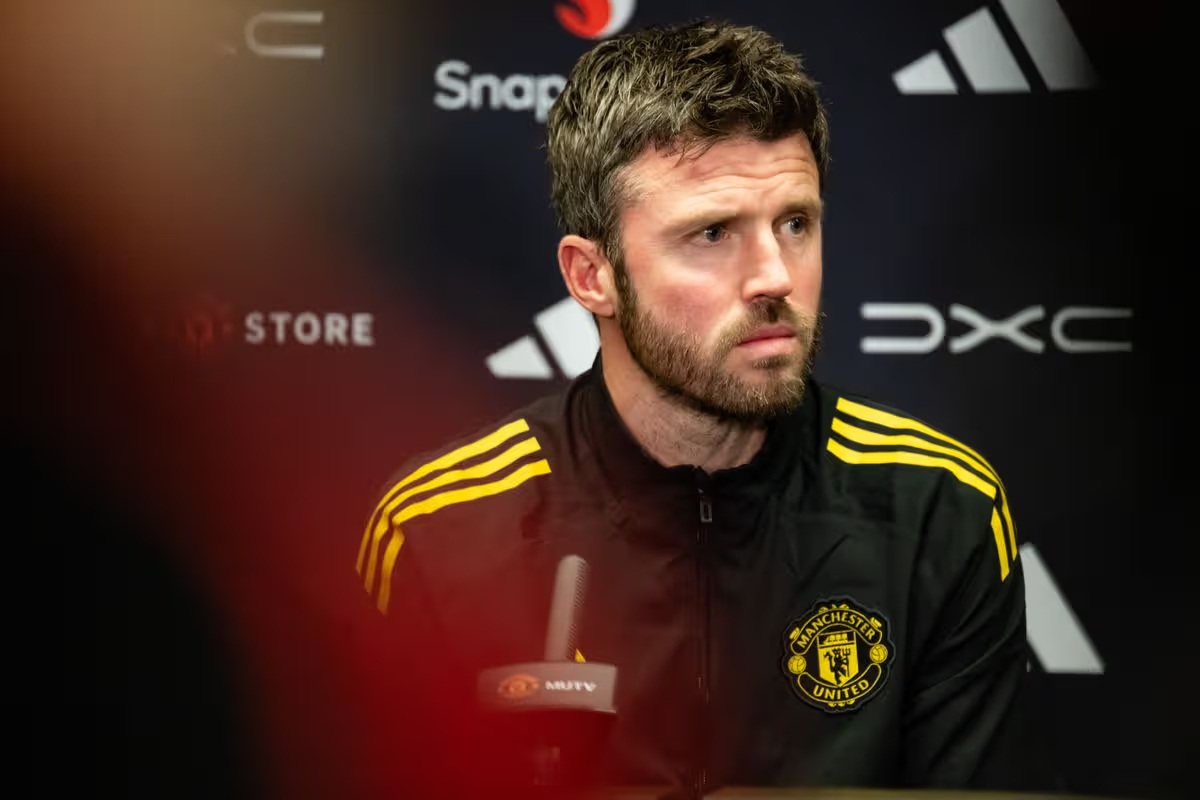
Interim manager Michael Carrick has indicated the Red Devils may sign a new left winger as they rebuild their attacking options this summer.
Historically many successful Manchester United sides have been built around wingers who thrilled fans across the globe. George Best, Ryan Giggs, David Beckham and Cristiano Ronaldo are regarded among some of the club’s greatest players. Others such as Steve Coppell, Gordon Hill, Willie Morgan and Andrei Kanchelskis also made a significant impact. Even Eddie Colman, the Busby Babe nicknamed snake hips for his ability to change direction at top speed, embodied that creative spirit.
United began last season with five experienced wide players. Between them, Jadon Sancho, Antony and Amad Diallo cost the club GBP173 million. Marcus Rashford and Alejandro Garnacho both came through the youth ranks, although the latter had a brief spell at Atletico Madrid before joining as a 16-year-old in 2020.
Sancho is currently on loan at Aston Villa after spending last season at Chelsea. His contract is set to expire in the summer and a permanent exit looks likely. Antony left for Real Betis in a GBP21.65 million deal last September. Garnacho joined Chelsea for GBP40 million. Rashford, who prefers the left side, spent time on loan at Barcelona, where talks continue over activating a GBP26 million option to buy.
Carrick opens door to new signing
This leaves Amad as the only orthodox wide player available to Carrick, although he has also used Patrick Dorgu in a more offensive role. Asked if left wing specifically was an area that might need addressing, Carrick replied that the club was always looking at the balance of the team and the squad to give the utmost flexibility.
“I think you’re always looking at the balance of the team and the squad to give you the utmost flexibility, so it’s definitely something to look at, for sure,” he said. Pressed again, the 44-year-old added: “Quite possibly.”
Carrick insisted the situation was not a huge concern at the moment. “We can still be dangerous,” said the manager. Matheus Cunha has played that role and caused big problems when deployed wide. He is tough to stop one-on-one.
Cunha, however, is happiest drifting inside or playing in deeper positions. In the junior ranks, Gibraltar international James Scanlon was virtually an ever-present in the Premier League two side before joining Swindon on loan. England Under-20 international Shea Lacey made an impact in early substitute appearances but prefers the right side and has featured only once since January.
Few supporters would claim United were wrong to move on from Sancho or Antony. The thinning of wide options at a time when the club is controlling its budget highlights an historical weakness in recruitment strategy. United were prepared to sanction a GBP65 million move for Antoine Semenyo in January but the player chose Manchester City.
They are now among several top clubs linked with RB Leipzig’s 19-year-old Ivory Coast international Yan Diomande, who is likely to cost around GBP70 million if he moves in the summer. Newcastle’s Anthony Gordon has also been mentioned, although confirmation of firm interest remains unclear.
Midfield overhaul takes precedence
The situation is complicated by the need to bring in at least one, and possibly two, central midfield players. Casemiro is leaving at the end of the season and Uruguay international Manuel Ugarte has made only three substitute appearances under Carrick.
No changes can be made until the transfer window opens. Carrick must make the best of his present options. “We’re always thinking of that perfect scenario of mixing players together and connections and seeing how it suits on the pitch,” he said. “There’s different ways of doing it and we have really good options across the front line.”
For millions of Manchester United supporters worldwide, from passionate fans in Africa and South America to dedicated followers in Southeast Asia, restoring classic width and excitement is about reconnecting with the club’s DNA. As the summer approaches, all eyes will be on whether Carrick’s hints translate into concrete action and bring a dynamic new left winger to Old Trafford.
The spotlight returns to Catalonia on Tuesday night, Barcelona face a daunting mission against Atletico Madrid in the second leg of their Copa del Rey semi-final.
Four goals stand between Barcelona and a place in the final. It is a deficit rarely overturned at this stage. Yet European football has taught us never to dismiss belief, especially inside a packed stadium.
Barcelona return home trailing 4-0 on aggregate after a bruising first-leg defeat in Madrid. They were second best for long spells. They struggled with intensity. They lost key battles across the pitch. The margin reflected the difference in sharpness and execution.
Now the equation is simple. Attack from the first whistle. Score early. Shift the pressure.
Head coach Hansi Flick knows the scale of the challenge. He also understands the psychology of knockout football. A fast start can change the mood of a tie. One goal can create doubt. Two can create nerves.
Barcelona’s domestic form offers encouragement. They have been consistent in La Liga this season. Their attacking numbers remain strong. Young talents continue to step forward. The squad has shown resilience after setbacks.
But cup football is unforgiving. Defensive lapses are punished. Transitions become decisive.
In the first leg, Atletico were ruthless. They pressed with discipline. They defended compactly. When chances appeared, they struck without hesitation. That clinical edge has defined their campaign.
Manager Diego Simeone thrives in these moments. His teams are built for tension. They are comfortable without the ball. They wait. They frustrate. Then they counter with purpose.
Protecting a four-goal lead suits Atletico’s identity. Expect narrow lines. Expect tactical fouls in safe areas. Expect controlled aggression in midfield. Game management will be central to their plan.
Barcelona’s temporary home, the :contentReference[oaicite:13]{index=13}, will be loud. The supporters understand the stakes. They also understand the history of dramatic European nights. While this is domestic competition, the emotional charge will feel continental.
Team news adds intrigue
Barcelona have been managing injuries in recent weeks. Key midfielders have battled fitness issues. Rotation has been necessary. However, several important players are expected to return to contention. That depth could inject fresh energy into the starting lineup.
Up front, Barcelona will rely heavily on movement and pace. Stretching Atletico’s defensive block is vital. Wide players must isolate full-backs. Midfield runners must attack the box. Set pieces could also prove decisive, especially if an early breakthrough arrives.
Defensively, the hosts must balance urgency with caution. Conceding even once would almost certainly end the contest. Atletico excel in transitions. One misplaced pass could undo twenty minutes of dominance.
For the visitors, the objective is clarity. Keep shape. Slow the tempo. Use experience. Atletico do not need to chase the game. They can afford patience. Their forwards will look to exploit space behind an advancing Barcelona back line.
Recent meetings between these sides have rarely drifted into stalemates. Matches are often intense and decisive. Emotion runs high. Tactical duels define the rhythm.
The psychological element cannot be overstated. Barcelona must believe from the outset. The first twenty minutes could determine everything. If the crowd senses vulnerability in Atletico, momentum may swing quickly.
Yet Atletico are no strangers to hostile environments. Simeone has built a squad comfortable under siege. They defend deep blocks with discipline. They clear lines decisively. They celebrate tackles like goals.
From a tactical perspective, Barcelona are likely to dominate possession. The question is efficiency. Volume of attacks alone will not be enough. Precision in the final third is essential.
Expect Atletico to compress central spaces. They will invite crosses. They will trust their defenders in aerial duels. Breaking that structure requires speed of circulation and intelligent off-ball movement.
Prediction: Barcelona 3-1 Atletico Madrid. Atletico Madrid advance 5-3 on aggregate.
It may be a thrilling evening in Catalonia. It may even be chaotic. But barring a historic collapse, Atletico appear poised to book their place in the final.
Football, though, always leaves room for the unexpected.
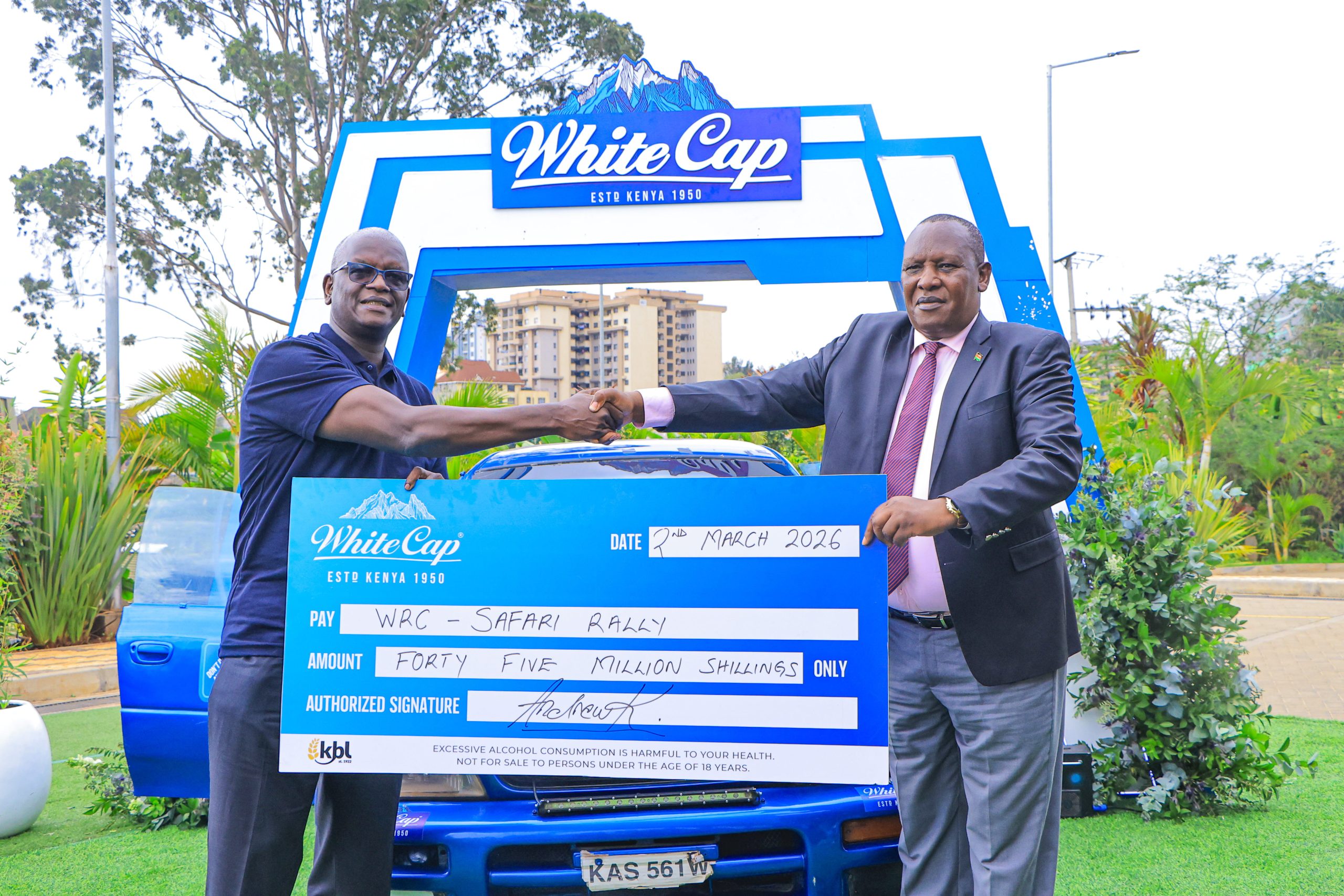
Kenya Breweries Limited (KBL) has announced a Ksh45 million sponsorship for the 2026 WRC Safari Rally — a Ksh25 million increase on last year’s figure — cementing White Cap’s position as a cornerstone partner of one of world rallying’s most celebrated events.
The announcement was made on Monday at the Tusker Brew House in Ruaraka, Nairobi. White Cap, KBL’s flagship beer brand, was simultaneously named the Official Pouring Partner and Official Responsible Drinking Partner for the event.
The Safari Rally runs from 12 to 15 March in Naivasha, approximately 90 kilometres northwest of Nairobi. It marks the sixth consecutive year the event has been held under the WRC banner in Kenya.
A Bigger Spectator Experience
White Cap’s investment will reshape what fans see and feel at the rally’s spectator zones. The brand is building a premium paddock-inspired area near the iconic Miti Mbili jump — a spot already famous among rally followers worldwide.
Elevated viewing decks, exclusive hospitality zones, and live on-screen coverage will bring every competitive kilometre to life. The concept draws inspiration from fan zones at top Formula 1 circuits.
2026 Safari Rally — Fast Facts
Dates: 12–15 March 2026, Naivasha, Kenya
20 special stages covering approximately 350 competitive kilometres
First edition to include a Naivasha-based shakedown open to spectators
White Cap is Official Pouring Partner and Official Responsible Drinking Partner
KBL investment increased by Ksh25 million from the previous year
Why KBL Is Going Bigger
KBL Managing Director Andrew Kilonzo signs a dummy cheque of Ksh 45 million as White Cap’s sponsorship for the 2026 WRC Safari Rally Championship.
KBL Managing Director Andrew Kilonzo said the increased investment reflects Kenya’s wider ambition to grow beyond its athletics roots and become a global, multi-sport commercial hub by 2030.
“We have increased our sponsorship for the Safari Rally by Ksh25 million as a demonstration of our commitment to the sport. The investment will go towards WRC event logistics and the elevation of the overall village experience. For years, we have continued to play a part in this sport, capturing the imagination of fans.”
— Andrew Kilonzo, Managing Director, Kenya Breweries Limited
He also stressed the company’s responsibility commitments. KBL will use the event as a platform to promote environmental sustainability and water conservation — causes directly relevant to Rift Valley rally country. Spectator safety and responsible drinking form the other pillars of the partnership ethos.
One detail is drawing particular excitement from the global rally community. For the first time since the Safari Rally returned to the WRC calendar, the shakedown session will take place in Naivasha — right next to the service park.
Fans can now watch cars being pushed to their limits before competitive action even begins. Previously, the shakedown was held elsewhere, beyond the reach of most spectators.
“This year is different. The shakedown has shifted to Naivasha, giving fans an array of spots to access the rally stages. Rally enthusiasts can come and watch the cars as they prepare for competition. This is a historic moment for fans in Kenya and for the global rally audience watching live.”
— Jerry Orode, WRC Safari Rally Kenya Representative
Orode welcomed KBL’s renewed backing warmly, noting that the Safari Rally has always captured the passion of millions of Kenyan spectators — as well as international visitors who travel specifically for the event.
With large crowds expected across 20 special stages covering approximately 350 competitive kilometres, Orode issued a direct message: obey traffic marshals and take personal responsibility for safety.
White Cap’s role as Official Responsible Drinking Partner reinforces that message. The brand will actively promote safe and responsible enjoyment throughout the four-day event.
For Kenyan motorsport fans, the combination of a bigger fan village, a Naivasha shakedown, and White Cap’s expanded investment makes this edition among the most anticipated in years.
For the global rally community, it is further proof that Kenya’s Safari Rally belongs at the very top of the WRC calendar.
The organizing committee of the Great Chepsaita Cross Country Run has assured athletes and stakeholders that preparations for the 3rd edition of the event are at an advanced stage, promising a bigger, more competitive and more impactful race on 6 December, 2025.
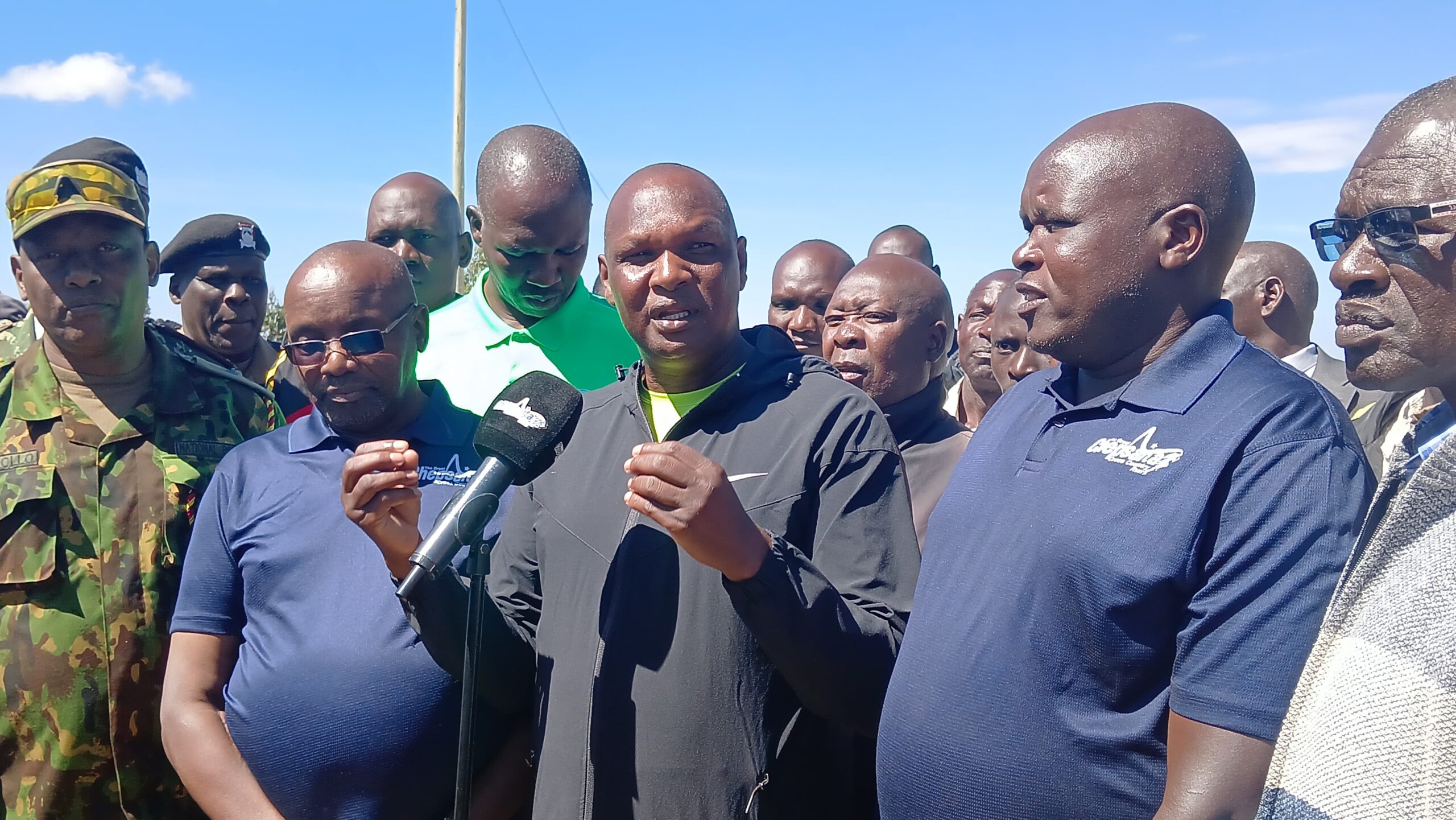
Speaking during a briefing held on Tuesday at the Chepsaita ground, the committee, led by the patron Farouk Kibet, highlighted that this year’s edition will feature enhanced logistics, improved safety measures and expanded community involvement.
“Preparations for the Third edition of the Great Chepsaita marathon are 98% complete.Various stakeholders, including the Athletics Kenya have done assessment of the race routes to ensure a competitive standard as guided by World Athletics and has given us a go ahead,” said Farouk.
According to Farouk, terrain adjustments, visible from the subsequent marathon editions, have been made to improve on the safety of the athletes.
” Everyone that has been part of this initiative from the onset can attest to the improvements of infrastructure of this place. There will be more and more improvements in the coming editions in the future.We want to take this competition worldwide” added Farouk.
The event, which has grown steadily since its inception in 2023, is expected to attract elite athletes, upcoming runners, schools, and community teams not only from across the country but also globally.
Chepsaita cross country, run for education, was an initiative made to support the needy yet talented children in their education.
Last year’s Run saw a total of twenty two schools supported with KSh 1 million for one hundred kids.
“Our focus has always been to see that this initiative not only nurtures talent but to see that no child drops out of school so that they have better future.”
Athletics Kenya chairperson Barnaba Korir revealed that registration for the run has already been closed, with this year’s registration breaking a record of 10,000 registered athletes.
According to Barnaba, registration has seen an improvement even in the number of foreign nationals.
” As time goes by, the competition here will be tough. The number of registered athletes for this edition is one that has never been heard before. One hundred foreigners have registered for the run,” said Barnaba.
Barnaba further stated that campig tents will be set up on site to accommodate athletes coming from far places, urging them to make their bookings early.
“The early bird catches the worm. Due to the large numbers, accommodation slots might run out. We urge all participants to book early even as they prepare for the big day,”
Residents have been urged to come out in large numbers during a medical camp set to happen on 2 December. Free screening and checkups including cancer screening, diabetes and even HIV/AIDS testing and counselling will be offered at the camp.
With just days to go, anticipation continues to build as the community prepares to host thousands for what promises to be an exciting and memorable sporting event.
The Kenya Sports Federation for the Deaf (KSFD)has officially named a formidable squad of 63 athletes who will represent the nation at the 25th Summer Deaflympics, scheduled to take place in Tokyo, Japan, from 15-26 November 2025.
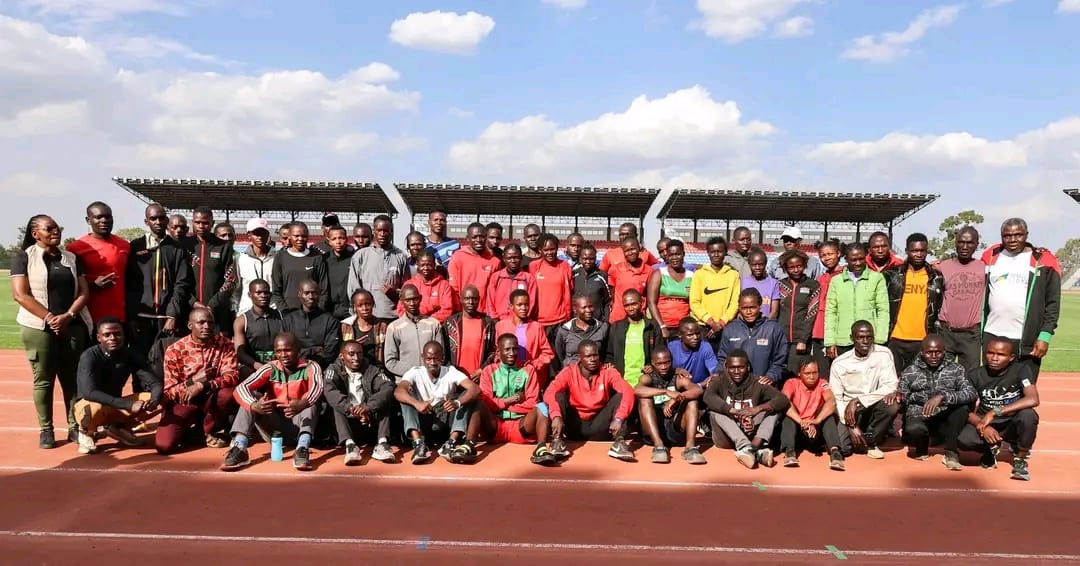
The final team was unveiled following two days of intense national trials held at the Ulinzi Sports Complex in Nairobi. The trials brought together athletes from across the country, all competing for a chance to don the national colours on the grand international stage.
Kenya will head to Tokyo with high expectations, aiming to build on the country’s impressive performance at the 24th Summer Deaflympics in Caxias do Sul, Brazil, in 2022. At that edition, Team Kenya emerged as Africa’s top nation, finishing with 24 medals, 5 gold, 7 silver, and 12 bronze.
Spotlight on Serah Wangari Kimani
Among the standout athletes selected is Serah Wangari Kimani, the 2022 Deaflympics silver medalist, who once again proved her class at the trials. Wangari powered to victory in the women’s 10,000m final, clocking 41:04.5, a result that secured her ticket to Tokyo in emphatic fashion.
She was followed by Nancy Kendagor Jebichii, a double bronze medalist in Brazil, who crossed the line in 42:48.8, while Juster Kwamesa completed the podium in 44:33.6.
Speaking after her triumph, the 36-year-old mother of two expressed joy at returning to the global stage:
Kenya deaflympics participants in action.Image/@DeafFootball_Ke/X
“I’m grateful for this victory and happy to qualify for my second Deaflympics after my exciting exploits in Brazil three years ago. I trained for six months for this race because I didn’t want to miss the slot. Hard work has finally paid off,” she said.
Wangari, who also secured second place in the women’s 5000m category at the trials, is determined to improve on her previous performance:
“In Brazil, I was fourth in the 5000m. This time, I’m aiming to get into the medal bracket. As for the 10,000m, my focus is to turn the silver medal into gold in Tokyo. I’m training harder and praying everything goes well,” she emphasised.
Training without a coach?
Remarkably, Wangari prepared for the national trials largely on her own. Without a personal coach, she relied on self-discipline and creativity to fine-tune her skills.
“Sometimes I go online to learn new techniques, and sometimes I train with my friends who give me advice on where to improve. I mostly focused on speed and endurance, and thankfully, I didn’t pick up any injuries. I hope this smooth run continues all the way to Tokyo,” she revealed.
Reflecting on her Deaflympics debut in Brazil, Wangari described it as an invaluable learning experience:
“Back then, I was completely blank about what to expect. Even though I returned with silver, it opened my eyes. Now I know what to do, and my dream is to finally bring home gold.”
The 2025 Deaflympics in Tokyo carries added significance as it will mark the 100th anniversary of the Games since their inception in 1924. Kenya’s athletes, buoyed by past successes, will not only be chasing medals but also aim to cement the country’s place on the global Deaflympics map.
With the countdown to Tokyo now officially underway, all eyes will be on Team Kenya as they prepare to make history at the 25th Summer Deaflympics.
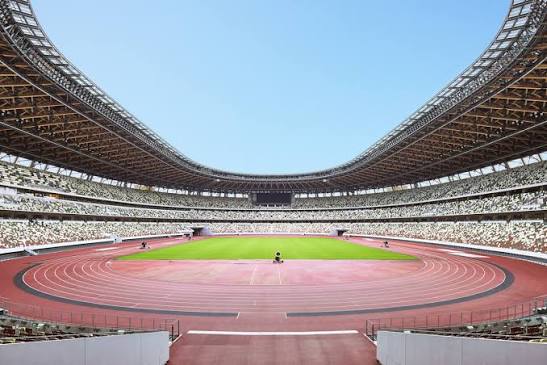
When the world’s best athletes step onto the track at Tokyo’s National Stadium for the 20th World Athletics Championships, they will be running for more than just medals and national pride.
With over KSh1.1 billion in total prize money on offer, Tokyo25 is set to become one of the most lucrative championships in athletics history. Each gold medal winner will receive KSh9.3 million, but that’s only part of the potential windfall.
A world record bonus of KSh13.3 million means that champions who set new records could walk away with KSh 22.5 million, an unprecedented payout in global athletics. The prize money breakdown includes KSh 9.3 million for individual gold, KSh 4.7 million for silver, and KSh 2.9 million for bronze.
Finalists placing between fourth and eighth will earn between KSh 665,000 and KSh 1.3 million, while relay gold teams will share KSh 10.6 million. The standout bonus of KSh13.3 million for a world record comes on top of any medal prize.
The payout structure not only matches Budapest 2023 at the top level but also exceeds it with the record-breaking incentive. For comparison, winners in Doha 2019 earned about KSh 8 million, underscoring the steady rise in athlete compensation.
With over 50 athletes heading to Tokyo, Team Kenya is well-positioned to claim a significant share of the prize pot. For elite performers like Faith Kipyegon, Beatrice Chebet, Emmanuel Wanyonyi, and Eliud Kipchoge, the stakes couldn’t be higher. Kipyegon, a multiple-time world and Olympic champion, will compete in both the 1500m and 5000m.
If she secures double gold and breaks a world record, she could earn over KSh 22 million, placing her among Kenya’s top-earning sports personalities. For rising talents like Wanyonyi, a breakthrough performance could deliver not just global fame, but long-term financial security. “One world record here is like winning the lottery, but it’s not luck, it’s sacrifice,” said Team Kenya coach Barnaba Korir.
In a show of support, the Kenyan government has significantly increased its rewards for medalists. Gold medal winners will receive KSh 3 million, silver medalists KSh 2 million, and bronze medalists KSh 1 million.
President William Ruto flagging off the Tokyo 2025 Championship team in State House.Image/@athletics_kenya/X
These new figures mark a major increase from previous championships, where gold attracted just KSh 750,000. Additionally, daily allowances for athletes representing Kenya abroad have been tripled, from about KSh 8,00 to about KSh 26,000 per day. The Kenyan contingent travelled in two batches.
The first group departed Nairobi on 10 September 2025, including Nelly Chepchirchir, Faith Cherotich, Reynold Cheruiyot, and Phanuel Kosgei. The second group left on September 11, consisting of middle- and long-distance athletes such as Emmanuel Wanyonyi. These athletes are set to compete in the 800m, 1500m, 5000m, and other key events where Kenya traditionally excels.
While athletes from wealthier nations may view prize money as a bonus, for many Kenyans, these rewards can transform lives. A single world-record win could fund schools, support extended families, or build infrastructure in remote villages. A single payday in Tokyo could change the lives of dozens back home, especially in the Rift Valley, the heartland of Kenyan athletics.
The Tokyo25 World Athletics Championships will take place from September 13 to 21, 2025, at the Tokyo National Stadium, which was rebuilt for the 2020 Olympic Games. The event will feature 49 competitions across track, field, and road races, with over 2,200 athletes from nearly 200 countries participating.
It also marks the return of the championships to Asia for the first time since Beijing 2015, bringing global attention to one of sport’s biggest stages.
“This is the stage where legends are made and rewarded,” said World Athletics president Sebastian Coe. With titles, glory, and millions at stake, Kenyan athletes will not only be chasing medals, they will be racing for legacies and life-changing fortunes.
The Parliamentary Service Commission (PSC) celebrated a significant milestone on 18 July 2025, with a vibrant and well-attended Sports Day held at the KCB Leadership Centre in Karen, Nairobi.
Spearheaded by the PSC Wellness Committee, the event brought staff together for a day filled with energy, healthy competition, and camaraderie. With the theme “Igniting Team Spirit, Fueling Fitness, and Powering Productivity,” the day aimed to encourage physical activity, strengthen interdepartmental relationships, and uplift workplace morale.
The program featured a variety of sports and recreational events, including football, volleyball, basketball, swimming, table tennis, and the much-loved tug of war. Friendly matches between teams from different departments were marked by laughter, cheers, and impressive displays of athleticism and teamwork.
Clerk of the Senate and Secretary to the PSC, Jeremiah Nyegenye, praised the event’s organising team, led by Osborn Obayo, for their dedication. He emphasised the importance of wellness and recreational activities in improving staff productivity and creating a cohesive workplace environment.
“Events like this are crucial in promoting both physical health and institutional unity. They help foster a culture of teamwork, resilience, and mutual respect,” Nyegenye said.
Several dignitaries also participated in the day’s activities, including Senator Joyce Korir, Hon. Mishi Mboko, Senator Wahome Wamatinga, Deputy Clerk Eunice Gachangi, and Senate Deputy Clerk Mohamed Ali.
The leaders not only delivered inspiring remarks but also joined in the sporting fun, further boosting morale and engagement among staff.
The day concluded with an awards dinner where standout teams and individuals were recognised for their performance, discipline, and sportsmanship. Special commendations were also given to those who exemplified teamwork and fair play.
The PSC Sports Day reaffirmed the Commission’s commitment to staff wellbeing and institutional cohesion, illustrating that a fit, engaged workforce is key to sustaining high performance in public service.
Kenya Wine Agencies Limited through its Heineken brand, the UEFA Champions League partner, last night (Saturday, May 31st, 2025), hosted an electrifying UEFA Champions League Final Match Viewing Party at Uhuru Gardens in Langata, Nairobi.
This epic event, part of the “Cheers to All Hardcore Fans” campaign, brought together thousands of enthusiastic football fans aged 18 and over to witness the tantalizing climax of the 2024/2025 UCL season.
Starting 4 pm, legions of fans streamed into the venue ready to experience the thrill of the 2024/2025 UEFA Champions League finale between Paris Saint-Germain (PSG) and Inter Milan. The match, broadcast on one of the largest screens ever seen at a local viewing party, transformed the whole experience into a shared moment of passion and pride.
The teams delivered on entertainment, with PSG trouncing Inter 5-0 in a captivating 90-minute duel that saw PSG lift the Champions League for the first time. PSG young star, nineteen-year-old, Desire Doue, delivered a stunning performance, with the PSG outclassing Inter throughout the match.
Meanwhile, the atmosphere at the Heineken UCL Final Match Viewing Party was electric with fans describing the experience as the perfect blend of football culture, lifestyle and entertainment.
Organisers said the main objective of the party was to transform the traditional experience of watching Champions League matches into an immersive and inspiring event. The event was designed to deeply engage fans, placing them at the heart of the narrative and emotion, in a way that reflects the unpredictable and exciting essence of football.
Speaking to journalists after the match, KWAL Senior Brand Manager -Beers, Prudence Mutembei, described the event as a big consumer experience around football.
“It is exciting for us as Heineken to bring this thrilling UCL finale to football fans. It has been an amazing experience to see consumers come and engage with the brand and football.”
Prudence added, “Our goal has been to consistently deliver unforgettable experiences like this to our loyal football fans and valued customers. Tonight, is a testament to that dedication of bringing the passion of the game directly to Nairobi with a vibrant, tantalizing, and exceptional viewing party.”
She further added that the final match viewing party was the culmination of the Heineken UCL Campaign in Kenya that kicked off in March and was headlined by the UEFA Champions League Trophy Tour on May 1-3 during which thousands of hardcore fans had the opportunity to see and interact with the prestigious trophy.
Beyond the game, Heineken transformed the viewing experience into a vibrant cultural celebration. The evening featured star-studded performances by international superstars Cassper Nyovest and Nasty C, alongside Kenya’s acclaimed artists Savara and Charisma.
As the day melted into evening, the tempo intensified with electrifying DJ sets from DJ IV, DJ Suraj, Foozak, Premium DJ Ruffy, Vidza, Kuzi, Wal, and Will the DJ, and the charismatic MC Azeeza. This signature blend of infectious rhythm had fans singing along, turning Uhuru Gardens into a high-energy celebration of football culture and connection.
Fans enjoyed a wide array of food and drink options from on-site bars and vendors, while Heineken kept the mood vibrant and festive throughout. A thoughtful partnership with Uber ensured fans had a safe and seamless ride home, allowing them to immerse fully in the unforgettable experience.
After a year of financial uncertainty, the Anti-Doping Agency of Kenya has secured a major lifeline: the reinstatement of its national budget allocation for the 2024–2025 financial year.
The decision by the Kenyan government to boost ADAK’s funding from a meagre KSh 20 million to KSh185 million comes as the country intensifies efforts to combat doping and protect the integrity of its globally renowned sporting achievements.
The move follows warnings from the World Anti-Doping Agency (WADA), which had flagged ADAK’s drastically slashed budget as a threat to Kenya’s compliance with international anti-doping standards. During an in-person audit in May 2024, WADA issued Corrective Actions, pointing directly to the impact of the funding cut.
“This reinstatement is not just a financial boost, it’s a clear signal that Kenya remains resolute in safeguarding clean sport,” said Peninah Wahome, acting Chief Executive Officer of ADAK.
The restored budget means ADAK can now ramp up its key activities, including doping tests, intelligence gathering, investigations, and education. The agency reported that in the 2023/24 financial year, it conducted 4,161 doping tests well above its initial target of 3,500. It now aims to surpass that figure in the current year.
“Following sustained advocacy, lobbying and inter-agency collaboration, the budget was recently enhanced to KSh 185 million revitalising ADAK’s testing, education, and intelligence functions,” Wahome confirmed.
This financial reprieve couldn’t come at a more critical time. Kenya is currently preparing to send a team to the 2025 World Athletics Championships, due to take place this September. Ensuring that the athletes are clean and compliant is now a national priority.
“Kenya is on schedule to comply with the World Athletics Rule 15 requirements,” Wahome said, adding that the agency is working “around the clock” to address WADA’s concerns and meet all mandatory requirements.
While ADAK’s core operations in athletics were protected through a separate five-year government pledge of KSh 650 million annually, the broader agency functions were threatened by the earlier budget shortfall.
The recent reinstatement now allows the agency to continue its multi-pronged strategy, including collaborations with the Athletics Integrity Unit and Athletics Kenya under the Enhanced Anti-Doping Project.
Beyond testing and enforcement, education remains a key pillar of ADAK’s strategy. The agency is expanding its school outreach programmes, workshops, and awareness campaigns in partnership with teachers, coaches, and community leaders. It has also worked with the Kenya Institute of Curriculum Development to embed anti-doping education into school curricula.
“Anti-Doping Education remains the first point of contact for athletes, athletes support personnel and other persons,” said Wahome. “Our long-term goal is to make anti-doping education the cornerstone of athlete development from an early age.”
Part of ADAK’s current focus involves scaling up intelligence-gathering capabilities and enhancing partnerships with law enforcement agencies to dismantle doping networks. Wahome said the agency is actively engaging with both national and international stakeholders to close gaps in the system.
“We firmly believe that this war will be won—and very soon,” she said.
The agency also took a firm stand against the controversial concept of the “Enhanced Games”—a proposed sporting event where performance-enhancing drug use would be permitted.
“This idea undermines decades of global anti-doping efforts and poses serious risks to athlete health and the integrity of sport,” Wahome warned. “ADAK strongly opposes the practice and participation in the Enhanced Games.”
Despite the challenges, the mood within ADAK is one of determination and resilience. With renewed financial backing and growing cooperation across sectors, the agency is positioning itself as a key player in restoring Kenya’s credibility on the international sporting stage.
“We remain committed to clean, fair competition and continue to celebrate athletes who choose to ‘Stay Clean and Win Right,’” Wahome concluded, calling on all stakeholders—athletes, schools, federations, sponsors, and the public—to join in protecting the spirit of sport.